Channel Letters vs Cabinet Signs: Which Commercial Building Sign Is Right for Your Atlanta Business?
You have decided your building needs a proper sign. The next question is almost always the same one: channel letters or a cabinet sign?
Both are permanent, illuminated, and used widely across Metro Atlanta. The right choice depends on your industry, your building, your landlord's sign criteria, how complex your logo is, and your budget.
This guide covers how each type is built, how each is lit, and what each is like to own over time. It includes a side-by-side comparison, an industry fit guide, notes on Atlanta permitting, and a checklist to run through before you request a quote.
What is the difference between channel letters and cabinet signs?
Channel letters are individual three-dimensional letters mounted separately on a building face, each lit from within. A cabinet sign is one enclosed box with a printed or routed face panel, lit from inside as a single unit. Channel letters look more custom. Cabinet signs handle detailed logos and usually cost less.
What Are Channel Letters?
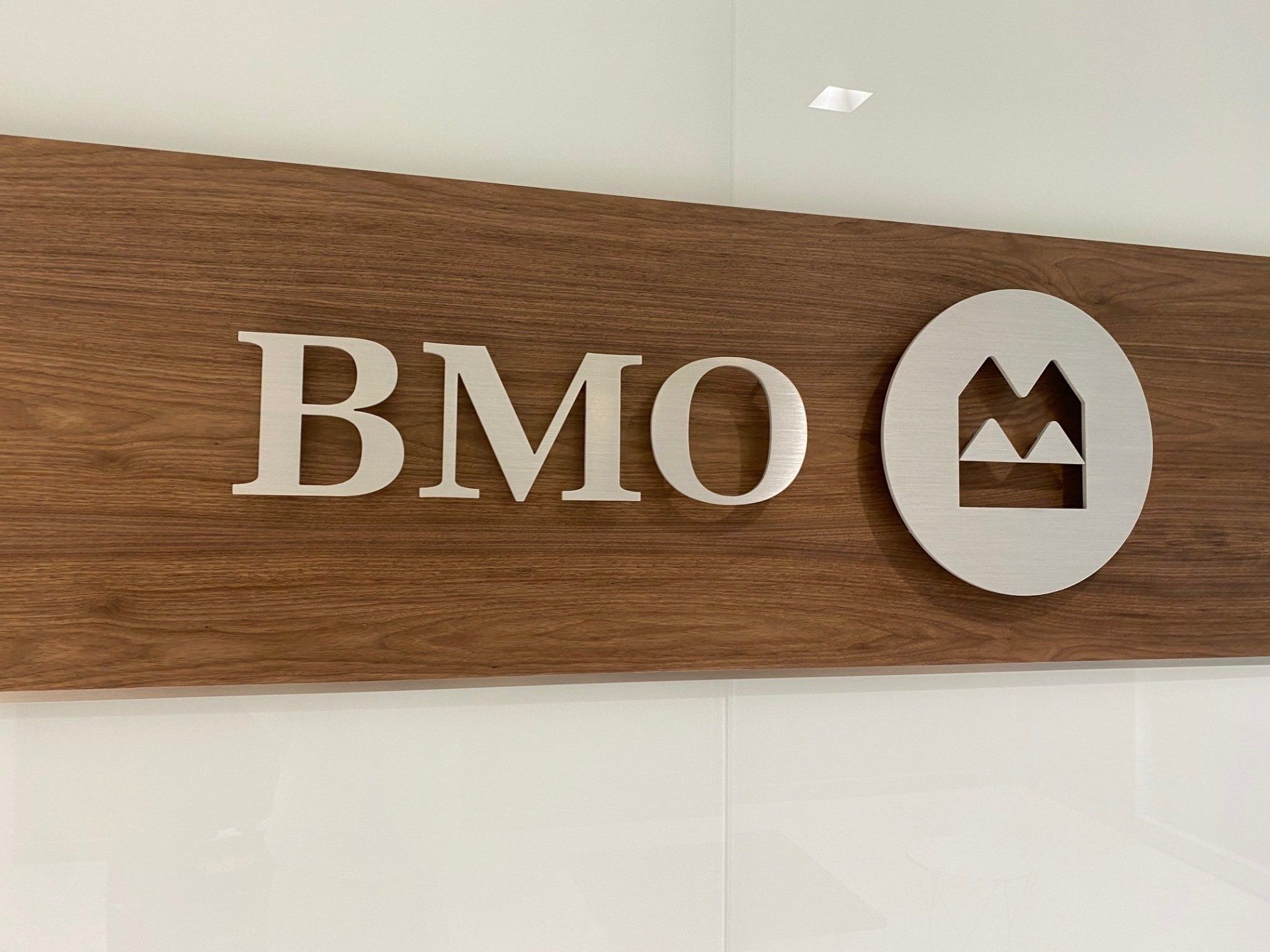
Channel letters are fabricated letters and shapes, built one at a time. A typical letter has aluminum returns forming the sides, an aluminum back, and a translucent acrylic face held by a trim cap. LED modules sit inside the letter.
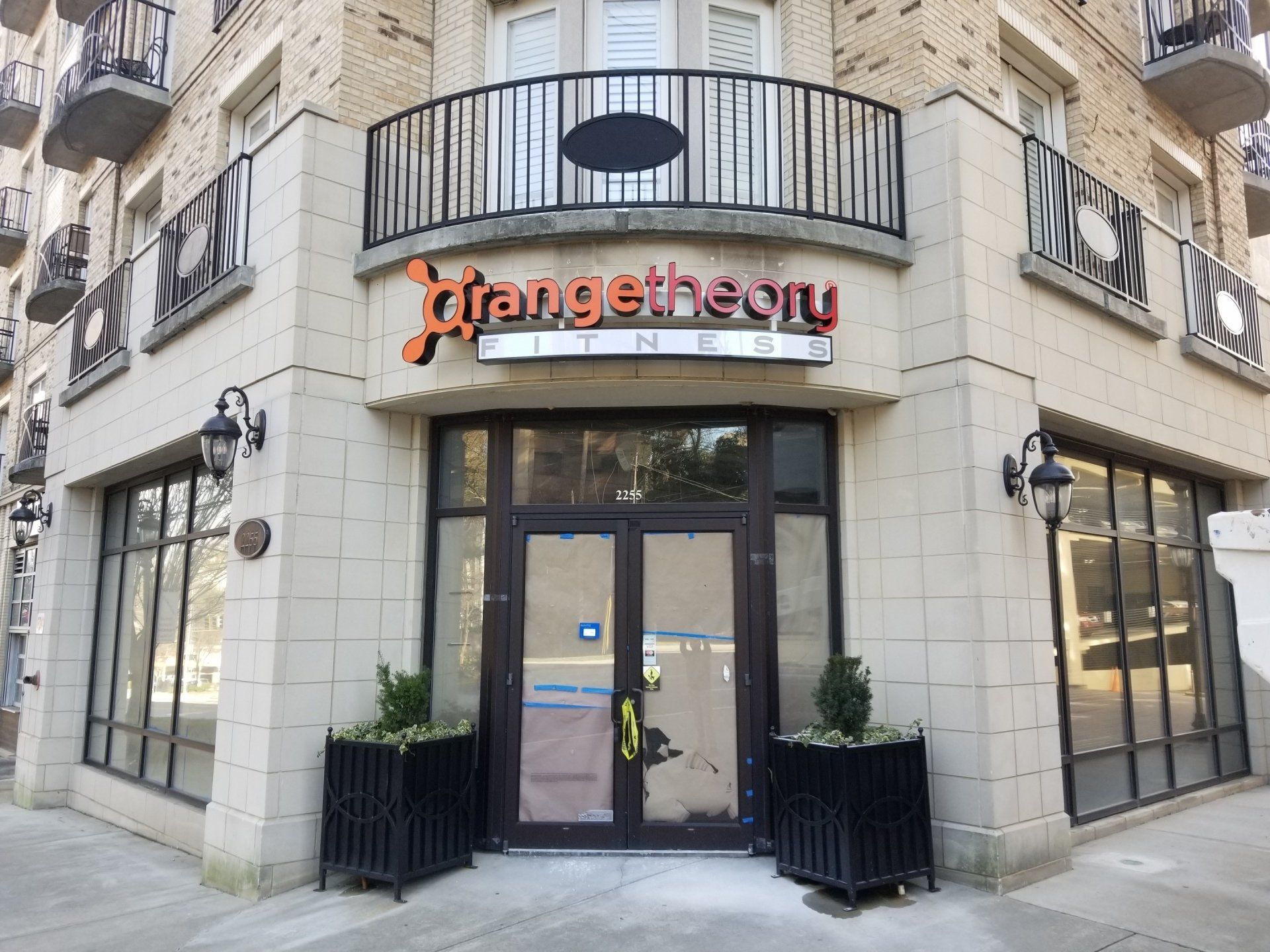
They mount in two ways. Direct mount fixes each letter to the wall individually, with wiring run behind the facade. Raceway mount fixes the letters to a single enclosed metal bar that carries the wiring and power supplies, and that raceway is attached to the wall. Many Atlanta landlords prefer raceway mounting, because it means fewer wall penetrations and a cleaner removal later.
Illumination Options
Front-lit, also called standard channel letters.
Light passes forward through the acrylic face. This is the most common option and the most readable at a distance, day or night. Choose it when the name has to be legible from the road.
Halo-lit, also called reverse channel letters.
The face is opaque metal and the LEDs throw light backward onto the wall, so each letter is outlined in a soft glow. It reads as upscale and architectural, but it needs a clean, light-toned wall behind it and is less legible at long distance.
Combination-lit.
Both at once. The face glows and the wall glows behind it. It costs more and needs enough standoff depth, but it is striking on a building with good frontage.
Where Channel Letters Fit Best
Retail storefronts, restaurants, fitness studios, salons, and any brand with a strong wordmark on a busy corridor. If you are competing for attention on Peachtree Road or Roswell Road, dimensional letters hold their own against the neighbors.
What Are Cabinet Signs (Light Box Signs)?
A cabinet sign is a single enclosed unit. An aluminum frame holds a face of polycarbonate or flexible face material, printed or vinyl-applied with your logo and text, with LEDs mounted inside the box.
Because the whole design lives on one face, a cabinet handles artwork that channel letters struggle with. Gradients, thin script, tag lines, multiple colors, and small supporting text all reproduce cleanly.
Faces are also swappable. For a multi-tenant building or a brand that refreshes its identity every few years, changing a face panel is far cheaper than refabricating a full set of letters.
Where Cabinet Signs Fit Best
Medical and dental practices, professional offices, multi-tenant buildings and office parks, franchises with detailed logo art, and any case where the logo is more complex than a clean set of letters. Cabinets are also standard for tenant panels on pylon and monument structures, where panels must stay uniform and replaceable.
Channel Letters vs Cabinet Signs: Side-by-Side Comparison
| Factor | Channel Letters | Cabinet Signs |
|---|---|---|
| Look | Custom, dimensional, premium | Clean, uniform, framed panel |
| Illumination | Front-lit, halo-lit or combination-lit | Internally lit, full face glows |
| Logo complexity | Best with bold, simple letterforms | Handles gradients, fine detail, images |
| Best for | Retail, restaurants, fitness, high-traffic frontage | Medical, professional offices, multi-tenant, complex logos |
| Cost tier | Higher, priced per letter | More economical for the same coverage |
| Maintenance | Serviced one letter at a time | Face panel reprinted or swapped as a unit |
| Rebranding | Usually needs full refabrication | Replace the face, keep the cabinet |
| Landlord criteria | Often preferred or required in newer retail centers | Sometimes restricted in newer retail centers |
A note on cost. Signage is quoted per project. Size, letter count, illumination type, mounting, electrical work, permit fees, and lift requirements all move the number. Treat the tiers above as relative, not as pricing.
Which Sign Is Right for Your Atlanta Business?
- Retail storefront. Channel letters, since shopping center sign criteria frequently require them.
- Restaurant or cafe. Channel letters for the name, often with a cabinet or blade sign for a logo mark.
- Medical or dental office. Cabinet sign. Practice names run long, logos carry detail, and an evenly lit panel reads as professional.
- Office park or multi-tenant building. Cabinet tenant panels on a monument or pylon, so panels stay uniform as tenants change.
- Fitness studio. Channel letters, often halo-lit, which suits the look most studio brands are after.
- Service business with a yard or warehouse. Cabinet sign on a pole or monument, where road visibility beats a custom look.
Atlanta Sign Permits and Regulations to Know
Nearly every permanent commercial building sign in Metro Atlanta needs a permit before it goes up. That applies inside the City of Atlanta and across surrounding municipalities such as Smyrna, Marietta, Sandy Springs, Alpharetta, and Decatur, as well as unincorporated Cobb, Fulton, DeKalb, and Gwinnett.
A few things worth knowing:
- Rules are local. Permitted sign area, height, sign count, and illumination limits vary by municipality and zoning district. Sign area is often tied to a percentage of the building facade or to linear frontage.
- Historic and overlay districts are stricter. Areas such as Inman Park and Grant Park apply additional design review, and internally illuminated signs are sometimes restricted.
- Landlord approval is separate from the permit. Shopping centers and office parks usually publish their own sign criteria. Get that approval before drawings go to the city.
- Electrical is part of the job. Illuminated signs generally require an electrical permit and a licensed connection.
- Fees apply. The City of Atlanta publishes current sign permit fees on its zoning, development and permitting services page.
Quick Decision Checklist
Run through these five questions before you request a quote.
- Is your logo a clean wordmark, or does it include gradients, fine detail, or small text? Detail points to a cabinet.
- Does your landlord's sign criteria specify a type? Check it first, because it may settle the question for you.
- How far is the sign from the road, and how fast is traffic moving? Long viewing distance favors front-lit letters or a large lit cabinet.
- How likely is a name change or rebrand in the next five years? Frequent change favors a swappable face.
- What does the wall behind the sign look like? Halo-lit letters need a clean, light surface to glow against.
If you answered "not sure" to more than one, that is normal. A site survey settles most of them quickly.
Get a Quote from Altair Sign & Light
Altair Sign & Light handles the full process from our Smyrna shop. We survey the site, handle sign design and manufacturing, prepare permit drawings, pull the permit, fabricate in house, and install with our own crews. We also repair and service commercial signs, including signs we did not build.
If you are still weighing the wider decision, our guide to how commercial exterior signs boost business visibility in Atlanta makes the case for signage in the first place.
Ready to move ahead? Call or request a free consultation and quote at.
FAQs
Are channel letters more expensive than cabinet signs?
Usually yes, because channel letters are fabricated and installed letter by letter while a cabinet is built as one unit. Final cost still depends on size, illumination, and mounting.
Which sign type is better for a complex logo?
A cabinet sign. The full design is printed on one face, so gradients, fine detail, and small text reproduce cleanly. Channel letters work best with bold, simple letterforms.
Can I change my sign later if my business rebrands?
With a cabinet sign you usually replace only the face panel and keep the box. Channel letters normally need to be refabricated, which costs more and takes longer.